
Resolving Resonance in Engineering Systems
Understanding Resonance in Engineering SystemsResonance is a phenomenon that occurs when the frequency of an external force matches the natural frequency of a system. In engineering systems, this can lead to unwanted vibrations, noise, and even structural failure. It is important to understand how resonance occurs in order to effectively resolve it.Impact of Resonance on Engineering SystemsResonance can have a significant impact on the performance and reliability of engineering systems. It can cause excessive vibrations that can damage components, reduce efficiency, and compromise safety. Identifying and addressing resonance issues is crucial for ensuring the overall effectiveness of the system.Common Causes of ResonanceResonance can be caused by various factors, such as improper design, inadequate damping, or external forces. Structural irregularities, changes in material properties, and environmental conditions can also contribute to resonance in engineering systems. Understanding the root causes of resonance is essential for effective resolution.Methods for Detecting ResonanceThere are several methods for detecting resonance in engineering systems, including frequency analysis, modal analysis, and dynamic testing. These techniques can help engineers identify resonant frequencies and determine the severity of the issue. Detecting resonance early on is key to preventing further damage.Effects of Resonance on Mechanical SystemsIn mechanical systems, resonance can lead to increased wear and tear on components, reduced lifespan, and potential failure. Bearings, gears, and other moving parts are particularly susceptible to the effects of resonance. Resolving resonance in mechanical systems is essential for optimizing performance and longevity.Strategies for Resolving ResonanceThere are various strategies for Resolving Resonance in Engineering Systems, such as adding damping, changing the stiffness of components, or adjusting the natural frequency of the system. Tuning the system to avoid resonance, implementing isolators, and modifying structural design can also help mitigate the effects of resonance.Importance of Damping in Resolving ResonanceDamping plays a crucial role in resolving resonance in engineering systems. It helps dissipate energy, reduce vibrations, and prevent the build-up of harmful oscillations. Proper damping techniques can effectively counteract the effects of resonance and improve the overall performance of the system.Utilizing Computer Simulations for Resolving ResonanceComputer simulations are valuable tools for analyzing and resolving resonance in engineering systems. Finite element analysis, computational fluid dynamics, and other simulation techniques can help identify potential resonance issues and test different scenarios for resolution. Utilizing simulations can streamline the optimization process.Case Studies on Successful Resonance ResolutionExamining real-world case studies of successful resonance resolution can provide valuable insights for engineers facing similar challenges. Learning from past experiences, implementing best practices, and applying innovative solutions can help address resonance issues effectively. Case studies offer practical examples of how to overcome resonance in engineering systems.Continuing Research on Resolving ResonanceAs technology advances and engineering practices evolve, ongoing research on resolving resonance in engineering systems is essential. Collaboration among experts, experimentation with new techniques, and continuous learning are key components of advancing the field. By staying up-to-date on the latest developments, engineers can effectively address resonance challenges in various applications.Quote Inquirycontact us
READ MORE
The Importance of High-Frequency Vibration Monitoring
What is High-Frequency Vibration Monitoring?High-Frequency Vibration Monitoring is a crucial aspect of predictive maintenance in industrial settings. It involves the continuous monitoring and analysis of vibrations in machinery to detect potential issues before they escalate into costly downtime or failures. By utilizing advanced sensors and data analytics, businesses can ensure the optimal performance and longevity of their equipment.Benefits of High-Frequency Vibration MonitoringThe benefits of High-Frequency Vibration Monitoring are vast. By detecting and addressing vibration anomalies early on, businesses can prevent unexpected breakdowns and extend the lifespan of their machinery. This proactive approach leads to increased productivity, reduced maintenance costs, and improved overall operational efficiency.How Does High-Frequency Vibration Monitoring Work?High-Frequency Vibration Monitoring works by placing sensors on key components of machinery, such as bearings and rotating parts. These sensors continuously collect data on the vibrations produced during operation. By analyzing this data in real-time or through periodic assessments, maintenance teams can identify abnormal patterns and potential defects that require attention.Applications of High-Frequency Vibration MonitoringHigh-Frequency Vibration Monitoring is used in a wide range of industries, including manufacturing, energy, transportation, and aerospace. It is essential for monitoring the health of critical assets such as turbines, pumps, motors, and gears. By implementing this technology, businesses can proactively manage the condition of their equipment and avoid unexpected downtime.Challenges of High-Frequency Vibration MonitoringWhile High-Frequency Vibration Monitoring offers numerous benefits, there are challenges to consider. One of the main challenges is the complexity of analyzing large volumes of data generated by multiple sensors. Interpretation of this data requires advanced algorithms and expertise, which can be a barrier for some organizations.Key Performance Indicators for High-Frequency Vibration MonitoringTo measure the effectiveness of High-Frequency Vibration Monitoring, businesses should track key performance indicators (KPIs) such as vibration levels, frequency spectra, and trend analysis. By setting specific KPIs and monitoring them regularly, organizations can gauge the health of their machinery and make informed maintenance decisions.Future Trends in High-Frequency Vibration MonitoringThe future of High-Frequency Vibration Monitoring is promising, with advancements in sensor technology, data analytics, and artificial intelligence. Predictive maintenance strategies powered by machine learning algorithms are becoming more prevalent, enabling businesses to predict equipment failures with greater accuracy and efficiency.Best Practices for Implementing High-Frequency Vibration MonitoringWhen implementing High-Frequency Vibration Monitoring, businesses should follow best practices such as selecting the right sensors for their specific needs, establishing a robust data collection and analysis process, and training personnel on how to interpret and act on monitoring data. Collaboration with experienced vendors and experts can also enhance the success of this technology.Cost-Effectiveness of High-Frequency Vibration MonitoringDespite the initial investment required for implementing High-Frequency Vibration Monitoring, the long-term cost-effectiveness is undeniable. By preventing unexpected breakdowns and optimizing maintenance schedules, businesses can save significant costs associated with downtime, repairs, and replacement of equipment. The return on investment from this technology can be substantial.ConclusionIn conclusion, High-Frequency Vibration Monitoring is a critical tool for ensuring the reliability and performance of industrial machinery. By proactively monitoring vibrations, businesses can enhance their maintenance practices, minimize disruptions, and maximize the lifespan of their assets. Investing in this technology is an investment in the long-term efficiency and success of any operation.Quote Inquirycontact us
READ MORE
Unveiling the Power of Data: From Raw Data to Actionable Insights
The Journey Begins: Understanding Raw DataIn the realm of data analytics, everything starts with raw data. This refers to unprocessed, unstructured data that is collected from various sources. Raw data can come in the form of numbers, text, images, or any other format.Transforming Raw Data into Useful InformationThe process of turning raw data into actionable insights involves data cleaning, processing, and transformation. This step is crucial as it helps to organize the data and prepare it for analysis. It is where patterns and trends begin to emerge.The Power of Data VisualizationOne of the most effective ways to communicate insights from raw data is through data visualization. Charts, graphs, and dashboards can help make complex data more understandable and easier to interpret. Visual representations can reveal patterns that may not be apparent in raw data.Uncovering Hidden Patterns and TrendsData analysis plays a key role in extracting valuable insights from raw data. By using statistical methods and algorithms, analysts can identify patterns, correlations, and trends within the data. This step is critical for uncovering valuable information that can inform decision-making.Utilizing Advanced Analytics TechniquesAdvanced analytics techniques such as machine learning and predictive modeling can take data analysis to the next level. These techniques allow for more sophisticated analysis of raw data, leading to more accurate predictions and insights.The Importance of Data Quality and IntegrityHigh-quality data is essential for generating reliable insights. Data quality issues, such as missing values or inaccuracies, can lead to incorrect conclusions. By ensuring data integrity, organizations can trust the insights derived from their data.Turning Insights into Actionable StrategiesThe ultimate goal of data analysis is to turn insights into actionable strategies. By leveraging the insights gained from raw data, organizations can make informed decisions, optimize processes, and drive business growth.Real-World Applications of Data InsightsFrom marketing campaigns to healthcare diagnostics, the applications of data insights are vast and varied. Industries across the board are harnessing the power of data to improve efficiency, enhance customer experiences, and achieve strategic goals.Empowering Decision-Making with DataData-driven decision-making is a cornerstone of successful organizations. By using data to inform decisions, businesses can reduce risk, identify opportunities, and stay ahead of the competition. The journey From Raw Data to Actionable Insights is instrumental in this process.The Future of Data AnalyticsAs technology continues to evolve, so does the field of data analytics. From artificial intelligence to big data, the future holds endless possibilities for extracting insights from raw data. The journey from data to actionable insights will only grow in importance as organizations strive to stay competitive in a data-driven world.Quote Inquirycontact us
READ MORE
The Importance of HeNe Laser Vibrometer Measurement Accuracy
Understanding HeNe Laser Vibrometer AccuracyHeNe laser vibrometers are commonly used in various industries for vibration measurement applications. Accuracy is a crucial aspect when using these instruments to ensure reliable and precise results. Understanding the factors that affect the accuracy of HeNe laser vibrometer measurements is essential for proper utilization.Calibration for PrecisionCalibration plays a significant role in maintaining the accuracy of HeNe laser vibrometer measurements. Regular calibration of the instrument is necessary to account for any drift or changes in the system. Proper calibration ensures that the measurements are consistent and reliable over time.Noise Reduction TechniquesNoise can significantly impact the accuracy of HeNe laser vibrometer measurements. Implementing noise reduction techniques, such as signal averaging and filtering, can help improve the signal-to-noise ratio and enhance the accuracy of the measurements. By minimizing external interference, the accuracy of the measurements can be optimized.Environmental ConsiderationsEnvironmental factors, such as temperature and humidity, can affect the performance of HeNe laser vibrometers. It is crucial to operate the instrument in a controlled environment to minimize any fluctuations that could impact the accuracy of the measurements. Maintaining stable environmental conditions is essential for consistent and accurate results.Probe SelectionChoosing the right probe for the application is critical for achieving accurate measurements with a HeNe laser vibrometer. Different probes have varying sensitivity and frequency response, which can impact the accuracy of the measurements. Selecting the appropriate probe based on the specific requirements of the measurement task is essential for accurate results.Data Analysis and ProcessingAccurate data analysis and processing are essential steps in ensuring the reliability of HeNe laser vibrometer measurements. Proper analysis techniques, such as FFT analysis and modal analysis, can help extract valuable information from the measured data and improve the accuracy of the results. Thorough data processing is crucial for interpreting the measurements accurately.Alignment and SetupProper alignment and setup of the HeNe laser vibrometer are crucial for accurate measurements. Misalignment or improper setup can introduce errors that affect the accuracy of the measurements. Following the manufacturer's guidelines for alignment and setup is essential to ensure reliable and precise results.Verification and ValidationVerification and validation procedures are necessary to confirm the accuracy of HeNe laser vibrometer measurements. Conducting calibration checks, comparing results with known standards, and performing repeatability tests are essential steps in verifying the accuracy of the measurements. Validation ensures that the results are reliable and consistent.Real-World ApplicationsHeNe laser vibrometer accuracy is crucial in various real-world applications, including structural health monitoring, machine condition monitoring, and vibration analysis. Accurate measurements are essential for identifying potential issues, monitoring system performance, and making informed decisions based on the measured data. The reliability of HeNe laser vibrometer measurements is vital for successful implementation in practical applications.Continuous ImprovementContinuous improvement in measurement techniques and practices is essential for enhancing the accuracy of HeNe laser vibrometer measurements. Staying updated with the latest advancements in technology and adopting best practices in vibration measurement can help optimize the accuracy and reliability of the measurements. Striving for continuous improvement is key to achieving accurate and meaningful results.Quote Inquirycontact us
READ MORE
The Importance of Full-Field 3D Vibration Analysis Resolution
Understanding the Basics of full-field 3D vibration analysis resolutionFull-field 3D vibration analysis resolution is a crucial technique used in engineering and structural analysis to accurately measure and visualize vibrations in three dimensions. This technology allows engineers to gain a comprehensive understanding of the behavior of structures under dynamic loading conditions.The Advantages of High Resolution Imaging in Vibration AnalysisHigh resolution imaging in full-field 3D vibration analysis provides detailed and precise data regarding the mode shapes, frequencies, and amplitudes of vibrations. This level of detail is essential for identifying potential structural weaknesses and optimizing designs for better performance and durability.Enhancing Structural Health Monitoring with Full-Field AnalysisFull-field 3D vibration analysis resolution plays a key role in structural health monitoring by continuously monitoring the vibrations of a structure over time. This allows engineers to detect any changes in the structural behavior and take preventive measures before any failures occur.Implementing Full-Field 3D Vibration Analysis in Aerospace EngineeringIn aerospace engineering, full-field 3D vibration analysis resolution is used to assess the structural integrity of aircraft components, such as wings and fuselage. By accurately measuring the vibrations experienced during flight, engineers can ensure the safety and performance of aircraft.Optimizing Mechanical Systems with Full-Field Vibration AnalysisMechanical systems, such as engines and machinery, are subject to vibrations that can impact their performance and longevity. Full-field 3D vibration analysis resolution helps engineers optimize the design and operation of these systems to minimize vibrations and improve efficiency.Ensuring Precision in Automotive Design with Vibration AnalysisIn automotive design, full-field 3D vibration analysis resolution is essential for evaluating the structural integrity of vehicles and their components. By analyzing the vibrations experienced during driving conditions, engineers can enhance the safety and comfort of automobiles.The Role of Full-Field Vibration Analysis in Civil EngineeringCivil engineers use full-field 3D vibration analysis resolution to assess the behavior of structures such as bridges and buildings under various loading conditions. This technology enables engineers to identify potential weak points and improve the overall safety and stability of infrastructure.Integrating Full-Field Analysis in Material Testing and ResearchMaterials testing and research rely on full-field 3D vibration analysis resolution to study the mechanical properties of materials and components. By analyzing the vibrations generated during testing, researchers can determine the durability and performance characteristics of different materials.Utilizing Full-Field Vibration Analysis in Renewable Energy SystemsFull-field 3D vibration analysis resolution is utilized in the field of renewable energy to evaluate the structural reliability of components in wind turbines and solar panels. This analysis helps engineers optimize the design and operation of renewable energy systems for maximum efficiency.The Future of Full-Field 3D Vibration Analysis ResolutionAs technology continues to advance, full-field 3D vibration analysis resolution will play an increasingly important role in various industries. By providing detailed and accurate data on structural vibrations, this technique will help enhance the safety, performance, and reliability of engineering systems.Quote Inquirycontact us
READ MORE
Unlocking the Potential of Infrared Scanning Vibrometer Frequency Range
The Basics of infrared scanning vibrometer frequency range Infrared scanning vibrometers are vital tools in the field of vibration analysis, allowing engineers to measure mechanical vibrations with incredible precision. The frequency range of these devices determines the types of vibrations they can detect, ranging from low to high frequencies. Understanding the frequency range of an infrared scanning vibrometer is crucial for accurate measurements and analysis. Importance of Wide Frequency Range A wide frequency range in an infrared scanning vibrometer allows for the detection of a diverse range of vibrations. This is essential in various industries, where machinery and structures operate at different frequencies. A wider frequency range ensures that all types of vibrations are captured, providing a comprehensive analysis of the system's performance. Applications in Structural Health Monitoring Infrared scanning vibrometers with a broad frequency range are commonly used in structural health monitoring. By detecting vibrations across different frequencies, these devices can identify potential structural defects or weaknesses in buildings, bridges, and other infrastructure. This early detection is crucial for preventing catastrophic failures. High-Frequency Detection Capability In addition to detecting low-frequency vibrations, infrared scanning vibrometers are also capable of capturing high-frequency vibrations. This is particularly important in industries where machinery operates at high speeds, such as aerospace or automotive manufacturing. The ability to measure high-frequency vibrations accurately is essential for ensuring the safety and efficiency of the equipment. Enhancing Research and Development Researchers and developers rely on infrared scanning vibrometers with a wide frequency range to study the dynamic behavior of various materials and structures. The precise measurement of vibrations at different frequencies provides valuable insights into the performance and durability of new designs. This helps in optimizing products for better functionality and longevity. Improving Product Quality Control In industries focused on quality control, such as electronics manufacturing, the accuracy of vibration measurements is paramount. Infrared scanning vibrometers with a broad frequency range enable manufacturers to identify and address any manufacturing defects that may affect the product's performance. This ensures that only high-quality products reach the market. Challenges of Narrow Frequency Range In contrast, infrared scanning vibrometers with a limited frequency range may overlook certain vibrations, leading to incomplete data analysis. This can result in missed opportunities for identifying potential issues in machinery or structures. Engineers must carefully consider the frequency range of the vibrometer to ensure comprehensive vibration analysis. Customizable Frequency Range Options Some infrared scanning vibrometers offer customizable frequency range options, allowing users to adjust the device's sensitivity to specific frequencies. This flexibility is beneficial in situations where precise measurements at specific frequencies are required. Engineers can tailor the frequency range to suit their specific testing needs, ensuring accurate and reliable results. Future Innovations in Frequency Range As technology advances, infrared scanning vibrometers are expected to offer even wider frequency ranges and improved sensitivity. This will enhance their capabilities in detecting and analyzing vibrations across a broader spectrum. Engineers and researchers can look forward to more advanced tools for studying structural dynamics and material behavior in the future. Conclusion Infrared scanning vibrometers with a wide frequency range play a crucial role in various industries, from structural health monitoring to product development. By accurately measuring vibrations across different frequencies, these devices provide valuable insights that help improve safety, efficiency, and quality in diverse applications. Engineers and researchers must consider the frequency range of the vibrometer to ensure comprehensive vibration analysis and reliable results. Quote Inquirycontact us
READ MORE
The Importance of Non-Contact Vibration Measurement Applications
Introduction to non-contact vibration measurement applicationsNon-contact vibration measurement applications are a valuable tool in various industries where traditional methods of measuring vibrations are impractical or impossible. These applications utilize cutting-edge technology to accurately measure vibrations without physically touching the object of interest.Advantages of Non-Contact Vibration MeasurementOne of the key advantages of non-contact vibration measurement is the ability to capture data from a safe distance, reducing the risk of damage to delicate equipment. Additionally, non-contact methods can provide more accurate results compared to traditional measurement techniques.Industrial Applications of Non-Contact Vibration MeasurementIn the industrial sector, non-contact vibration measurement applications are used for monitoring the health of machinery, detecting faults in rotating equipment, and optimizing the performance of industrial processes. These applications help improve efficiency, reduce downtime, and prevent costly maintenance issues.Non-Destructive Testing Using Non-Contact Vibration MeasurementNon-contact vibration measurement is commonly used in non-destructive testing (NDT) to evaluate the structural integrity of components without causing any damage. By analyzing the vibration patterns of objects, flaws and defects can be detected early, ensuring the safety and reliability of critical equipment.Automotive Industry and Non-Contact Vibration MeasurementIn the automotive industry, non-contact vibration measurement applications are employed to analyze vehicle components, such as engines, suspension systems, and exhaust systems. By measuring vibrations in real-time, manufacturers can improve the performance and durability of their products.Medical Applications of Non-Contact Vibration MeasurementNon-contact vibration measurement is also used in the medical field for diagnostic purposes, such as detecting abnormalities in organs or tissues. By capturing and analyzing subtle vibrations, healthcare professionals can identify potential health issues and provide early intervention.Aerospace Industry and Non-Contact Vibration MeasurementThe aerospace industry relies on non-contact vibration measurement applications to test the structural integrity of aircraft components, such as wings, fuselage, and engines. These measurements help ensure the safety and reliability of aircraft during flight operations.Research and Development with Non-Contact Vibration MeasurementIn research and development, non-contact vibration measurement applications play a crucial role in testing new materials, products, and technologies. Researchers use these tools to study the dynamic behavior of objects under different conditions, leading to innovative solutions and advancements.Challenges and Limitations of Non-Contact Vibration MeasurementDespite their numerous benefits, non-contact vibration measurement applications may face challenges in certain environments, such as high temperatures, extreme pressures, or electromagnetic interference. It is essential to carefully select the appropriate measurement method based on the specific requirements of the application.Future Trends in Non-Contact Vibration Measurement ApplicationsAs technology continues to advance, non-contact vibration measurement applications are expected to become more sophisticated and versatile. Enhanced sensors, advanced algorithms, and artificial intelligence will contribute to more accurate and reliable measurements in a wide range of industries.Quote Inquirycontact us
READ MORE
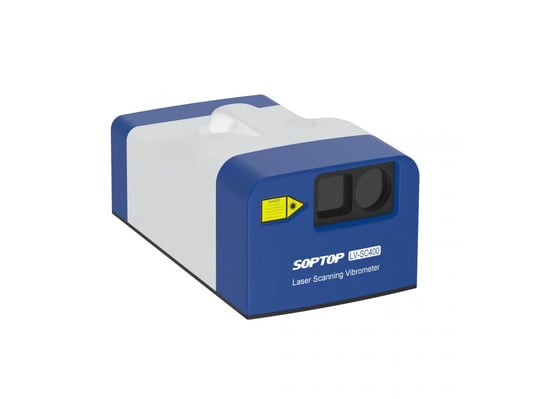
The Ultimate Guide to LV-SC400 Technical Specifications Parameters
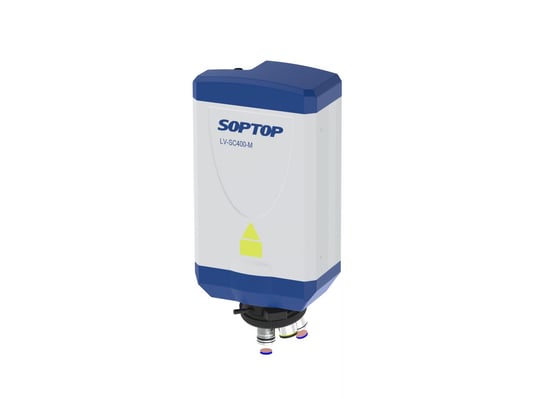
Overview of LV-SC400 Technical SpecificationsThe LV-SC400 is a cutting-edge device that boasts impressive technical specifications parameters, making it a top choice for professionals. The device is known for its exceptional performance and reliability.Design and Form FactorOne of the standout features of the LV-SC400 is its sleek and modern design. The device is compact, making it easy to carry around and use on the go. The form factor of the LV-SC400 is specifically designed for maximum convenience and portability.Display and ResolutionThe LV-SC400 comes with a high-quality display that offers stunning clarity and sharpness. The resolution of the display is top-notch, providing users with an immersive viewing experience. Whether you're watching videos or working on documents, the LV-SC400's display will not disappoint.Performance and SpeedEquipped with powerful hardware, the LV-SC400 delivers exceptional performance and speed. Whether you're multitasking or running demanding applications, the device can handle it all with ease. The LV-SC400 is built to keep up with your busy lifestyle.Storage Capacity and ConnectivityThe LV-SC400 offers ample storage capacity, allowing you to store all your important files and data. In addition, the device comes with a range of connectivity options, including USB and Bluetooth, making it easy to transfer files and connect to other devices.Battery Life and ChargingBattery life is crucial for any device, and the LV-SC400 excels in this area. The device boasts impressive battery life, allowing you to use it for extended periods without having to worry about running out of charge. Additionally, the LV-SC400 supports fast charging, so you can quickly top up the battery when needed.Camera and ImagingThe LV-SC400 features a high-resolution camera that captures stunning images and videos. Whether you're a photography enthusiast or just looking to take quality selfies, the device's camera will not disappoint. The imaging capabilities of the LV-SC400 are truly impressive.Audio and Sound QualityAudio quality is equally important, and the LV-SC400 delivers exceptional sound performance. Whether you're listening to music or watching movies, the device's audio output is clear and immersive. The LV-SC400 is a great choice for audio enthusiasts.Operating System and SoftwareThe LV-SC400 runs on the latest operating system, providing users with a smooth and responsive user experience. The device comes pre-installed with essential software and applications, making it ready to use out of the box. The operating system of the LV-SC400 is optimized for efficiency and performance.ConclusionIn conclusion, the LV-SC400 is a top-of-the-line device that excels in all technical specifications parameters. From design to performance, the device is a standout choice for professionals and tech enthusiasts alike. With its impressive features and capabilities, the LV-SC400 is sure to enhance your productivity and entertainment experience.Quote Inquirycontact us
READ MORE
Exploring 3D Mode Shape Visualization Techniques
Understanding 3D Mode Shape Visualization3D mode shape visualization techniques are essential in analyzing the behavior of structures under different loading conditions. By providing a visual representation of the mode shapes, engineers and researchers can gain insights into the dynamic characteristics of the system.Importance of 3D Mode Shape Visualization TechniquesBeing able to visualize the mode shapes in 3D allows for a more comprehensive understanding of the structural dynamics. This visualization can help identify potential areas of concern, such as excessive vibrations or stress concentrations, leading to improved design and performance.Types of 3D Mode Shape VisualizationThere are various techniques available for visualizing 3D mode shapes, including animation, contour plots, and interactive models. Each method offers unique advantages in terms of clarity and detail, allowing for a more in-depth analysis of the structural behavior.Benefits of Interactive 3D Mode Shape VisualizationInteractive 3D models provide a more immersive experience, allowing users to manipulate the mode shapes in real-time. This hands-on approach can facilitate a better understanding of the dynamic behavior and aid in making informed decisions for design optimization.Applications of 3D Mode Shape Visualization3D mode shape visualization techniques are widely used in various industries, including aerospace, automotive, civil engineering, and mechanical systems. These techniques play a crucial role in optimizing structures for better performance and reliability.Advanced Analysis with 3D Mode Shape VisualizationAdvanced techniques, such as modal analysis and finite element analysis, can be combined with 3D mode shape visualization to provide a comprehensive assessment of structural dynamics. This integrated approach enables engineers to detect potential issues early in the design phase.Enhancing Communication Through 3D Mode Shape VisualizationVisual representations of mode shapes can simplify complex concepts and facilitate communication among multidisciplinary teams. By presenting the structural behavior in a clear and intuitive manner, stakeholders can make more informed decisions.Future Trends in 3D Mode Shape VisualizationWith advancements in technology, such as virtual reality and augmented reality, the future of 3D mode shape visualization looks promising. These emerging tools offer new possibilities for exploring and analyzing structural dynamics in a more interactive and engaging way.Best Practices for Implementing 3D Mode Shape VisualizationTo maximize the benefits of 3D mode shape visualization techniques, it is essential to follow best practices, such as using high-quality software, validating simulation results, and collaborating with experts in the field. By adhering to these guidelines, engineers can ensure accurate and reliable analysis.ConclusionIn conclusion, 3D mode shape visualization techniques are valuable tools for understanding and analyzing structural dynamics. By leveraging advanced visualization methods, engineers and researchers can gain deeper insights into the behavior of systems, leading to improved design outcomes and enhanced performance.Quote Inquirycontact us
READ MORE