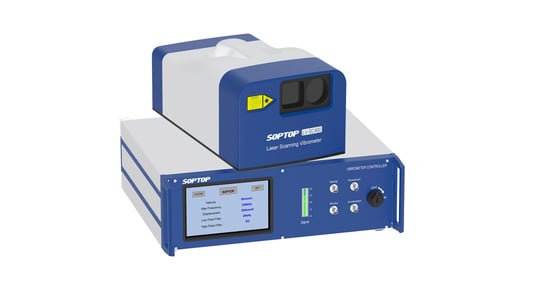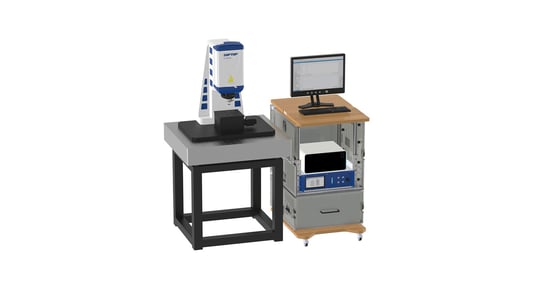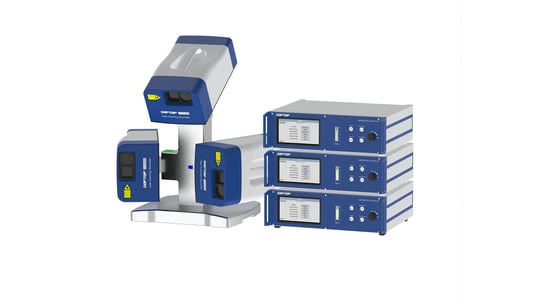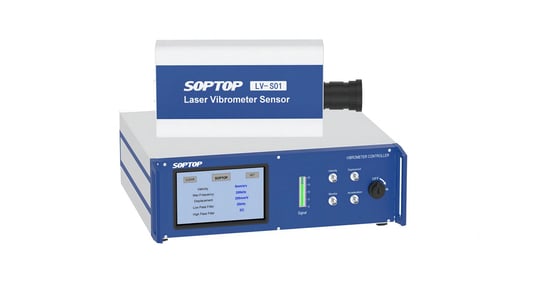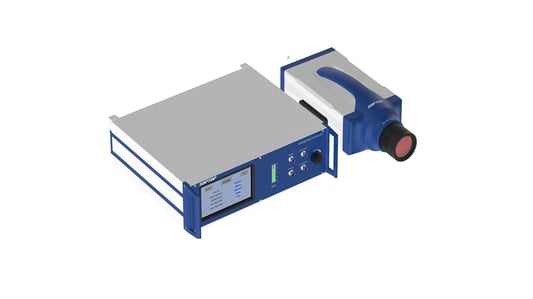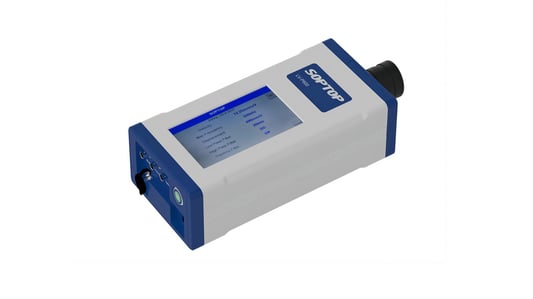

Introduction: What is a Self-Mixing Laser Diode Vibrometer?A self-mixing laser diode vibrometer is a non-contact measuring instrument used to measure the vibration and displacement of an object by analyzing the interference pattern of a laser beam that is reflected back onto the laser diode.How Does a Self-Mixing Laser Diode Vibrometer Work?The self-mixing laser diode vibrometer consists of a laser diode, an external target, and a photodetector. The laser beam from the laser diode is directed towards the external target, which reflects some of the laser beam back to the laser diode. The interference between the reflected beam and the direct beam creates an optical feedback effect of the laser diode, which modulates the laser's output power and frequency. This modulation is proportional to the target vibration or displacement, which can be analyzed to determine its amplitude and frequency.Advantages of Self-Mixing Laser Diode VibrometrySelf-mixing laser diode vibrometry offers several advantages over traditional vibration measurement techniques, such as contact sensors or laser Doppler vibrometry. These advantages include:Non-contact measurementHigh sensitivity and resolutionWide frequency rangeCompact sizeEase of useLow costApplications of Self-Mixing Laser Diode VibrometrySelf-mixing laser diode vibrometry has various applications in different fields, including:Structural health monitoring and non-destructive testingMechanical and aerospace engineeringBiomedical research and diagnosisMicro-electromechanical systems (MEMS) characterizationVibration-based energy harvestingCondition monitoring of rotating machineryAutomotive and transportation industryRecent Advances in Self-Mixing Laser Diode VibrometrySelf-mixing laser diode vibrometry has undergone significant developments in recent years, leading to improved measurement accuracy, versatility, and robustness. Some of the recent advancements include:Self-mixing interferometry for sub-nanometer measurement resolutionMulti-wavelength self-mixing sensing for simultaneous vibration measurement of multiple targetsSelf-mixing speckle-based vibrometry for non-uniform and rough surfacesSelf-mixing chaotic lasing for wideband and high-frequency vibration measurementSelf-mixing digital holography for three-dimensional vibration measurementChallenges and Future Directions of Self-Mixing Laser Diode VibrometryDespite the significant progress made in self-mixing laser diode vibrometry, there are still some challenges that need to be addressed, including:Noise and interference from environmental factorsLimitations in measurement range and accuracyCompatibility with various target surfaces and materialsIntegration with other sensors and devicesFuture directions of self-mixing laser diode vibrometry may focus on overcoming these challenges and exploring new applications, such as:Coherent imaging and sensingNonlinear self-mixing dynamicsQuantum-limited sensingSingle-particle sensing and manipulationConclusionSelf-mixing laser diode vibrometry is a promising non-contact vibration measurement technique that offers numerous advantages and has various applications in different fields. Recent advancements in self-mixing laser diode vibrometry have opened up new possibilities for improved measurement accuracy, versatility, and robustness, but there are still some challenges that need to be addressed. Future directions of self-mixing laser diode vibrometry may lead to even more exciting developments and applications in coherent imaging, quantum sensing, and single-particle manipulation.Quote InquiryContact us