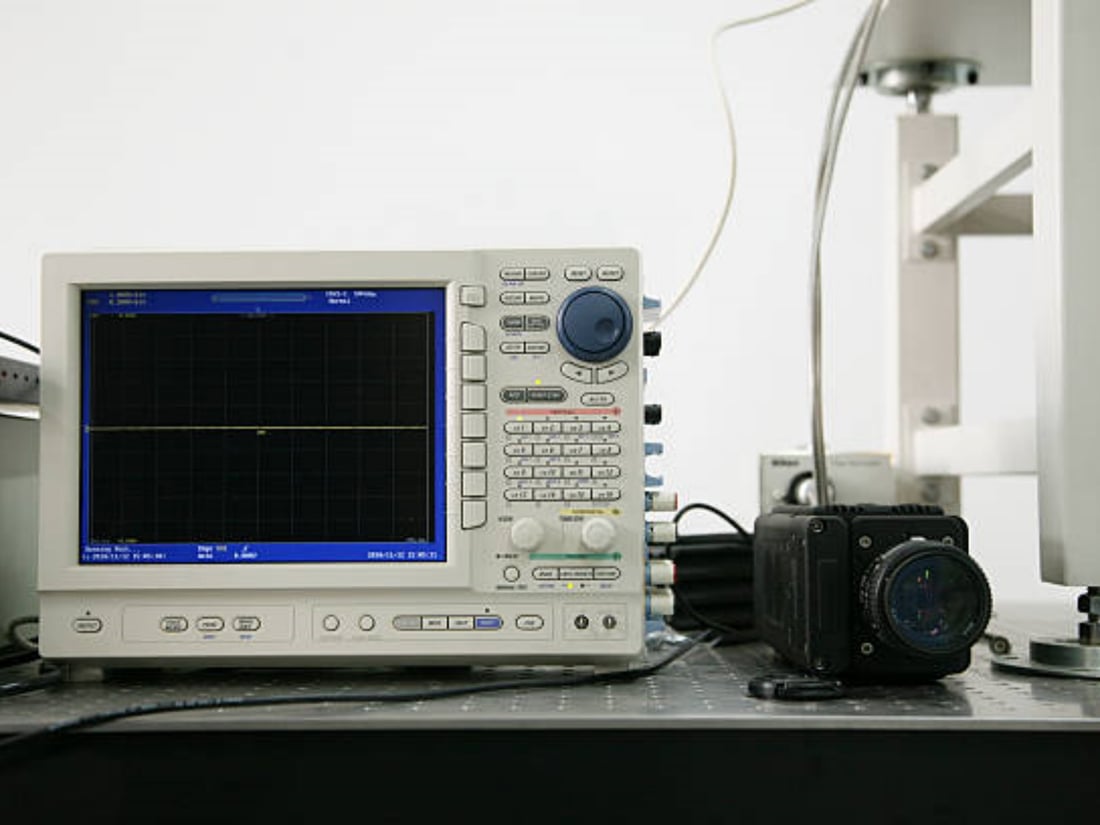
Multi-channel vibration analyzers are advanced diagnostic tools designed to monitor and assess the dynamic behavior of machinery through multiple simultaneous vibration inputs. These sophisticated devices collect data from several sensors at once, enabling comprehensive vibration analysis of complex equipment. By capturing real-time vibration signatures from various points, multi-channel vibration analyzers offer enhanced accuracy in identifying mechanical faults compared to single-channel systems.
Key Components and Functionality of Multi-Channel Vibration Analyzers
At the core of multi-channel vibration analyzers lies an array of sensors such as accelerometers, velocity sensors, and displacement probes. These sensors feed data into the analyzer’s processing unit, where it is digitized, filtered, and analyzed using signal processing algorithms. Users benefit from features like spectral analysis, time waveform capture, and enveloping to detect issues such as unbalance, misalignment, and bearing defects. Responsiveness and synchronization of channels are vital for precise phase analysis.
Advantages of Multi-Channel Vibration Analyzers in Condition Monitoring
One major advantage of using a multi-channel vibration analyzer is its ability to provide a holistic view of machine health. By simultaneously analyzing multiple measurement points, these analyzers detect complex fault conditions and interaction effects that might be missed in single-channel measurements. This comprehensive insight significantly reduces diagnostic errors, facilitates predictive maintenance, and enhances operational efficiency by minimizing unplanned downtimes.
Applications in Various Industries
Multi-channel vibration analyzers are indispensable tools across diverse industries such as aerospace, manufacturing, power generation, and automotive sectors. In aerospace, they ensure engine reliability by monitoring vibration patterns on various engine components. In manufacturing plants, they assist in real-time machine monitoring to avoid costly breakdowns. Power plants rely on these analyzers for turbine and generator condition assessment, while the automotive industry uses them to refine engine and drivetrain performance.
Role in Predictive Maintenance Strategies
Predictive maintenance thrives on data-driven insights, and multi-channel vibration analyzers are instrumental in this approach. By continuously monitoring vibration levels, these analyzers flag early signs of mechanical degradation. This early detection allows maintenance teams to plan interventions before catastrophic failures occur, drastically reducing repair costs and production losses. Their multi-point monitoring capability supports condition-based maintenance with improved precision.
Data Analysis Techniques for Multi-Channel Vibration Analyzers
Effective use of multi-channel vibration analyzers incorporates advanced data analysis techniques like Fast Fourier Transform (FFT), cepstrum analysis, and time synchronous averaging. These methods help isolate particular vibration frequencies linked to distinct faults. Additionally, phase analysis enabled by multi-channel data enhances the detection of multi-source vibration issues. Coupling this data with machine learning algorithms is an emerging trend to predict failures with higher confidence.
Integration with IoT and Industry 4.0 Frameworks
With the rise of Industry 4.0, multi-channel vibration analyzers are increasingly integrated into IoT ecosystems. Connected analyzers upload vibration data to cloud platforms, enabling remote monitoring and advanced analytics. This digital transformation allows centralized asset management, real-time alerting, and more sophisticated diagnostic workflows that leverage big data and artificial intelligence, thus propelling manufacturing toward smart factories.
Challenges and Considerations in Deployment
While multi-channel vibration analyzers offer numerous benefits, their deployment comes with challenges. Instrument calibration, sensor placement accuracy, and signal noise must be carefully managed to ensure reliable data. Operators require training to interpret complex data correctly. Initial investment costs and maintenance of analyzers may also pose barriers, but these are often offset by long-term savings from avoided equipment failures.
Comparing Multi-Channel vs. Single-Channel Vibration Analysis
Compared to single-channel analyzers, multi-channel vibration analyzers provide richer datasets and enable simultaneous measurements that improve fault diagnosis accuracy. Single-channel devices may be appropriate for simpler machinery or cost-sensitive scenarios, but they lack the detailed insight needed for complex or high-speed equipment. Multi-channel technology stands out by allowing phase relationships and root cause analyses across multiple components in real-time.
Future Trends in Multi-Channel Vibration Analyzer Technology
The future of multi-channel vibration analyzers lies in miniaturization, wireless sensor networks, and enhanced AI-driven diagnostics. Advances in sensor technology will improve sensitivity and reduce costs, while wireless systems will simplify installation and data acquisition. Integration with augmented reality for field technicians and further development of predictive algorithms will make multi-channel vibration analyzers increasingly indispensable in proactive asset management and smart manufacturing environments.
Quote Inquiry
contact us