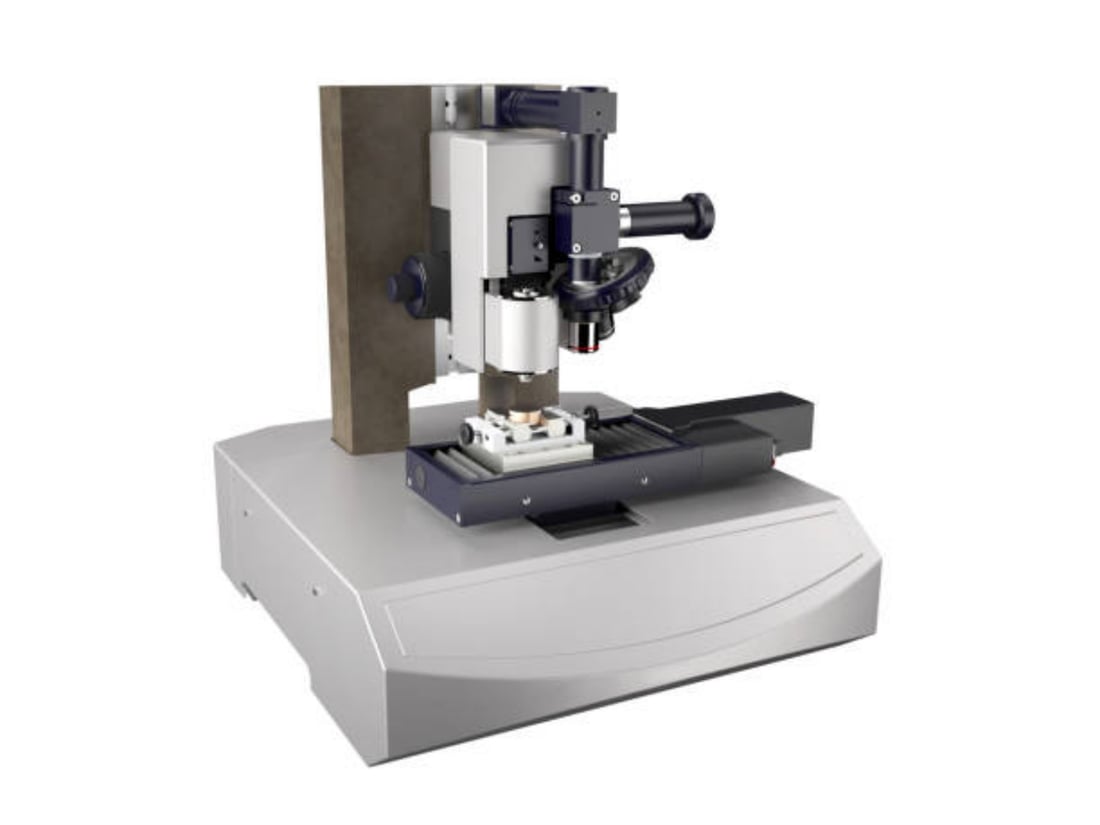
Micro-scale vibration refers to the tiny oscillations or mechanical movements that occur at a microscopic level. These subtle vibrations can range from nanometers to micrometers in amplitude and are fundamental in various scientific and engineering fields. Understanding micro-scale vibration is critical for advancing technologies in micro-electromechanical systems (MEMS), precision manufacturing, and material sciences.
Scientific Principles Behind Micro-Scale Vibration
Micro-scale vibration is governed by principles of classical mechanics, but the scale often requires consideration of surface forces, material elasticity, and environmental influences like temperature and humidity. At such small scales, factors like van der Waals forces and electrostatic interactions can significantly affect vibrational behavior, making the analysis of micro-scale vibration uniquely complex.
Measurement Techniques for Micro-Scale Vibration
Accurate measurement of micro-scale vibration demands highly sensitive instruments. Techniques such as laser Doppler vibrometry, atomic force microscopy, and piezoelectric sensors are commonly employed to detect and quantify vibrations at the micro-level. Innovations in these technologies continue to enhance resolution and precision, enabling better characterization of tiny vibrations in various applications.
Micro-Scale Vibration in MEMS Devices
Micro-scale vibration plays a pivotal role in the design and operation of MEMS devices. These tiny machines often rely on controlled vibrations for sensing, actuation, and signal processing functions. Devices such as accelerometers, gyroscopes, and resonators incorporate micro-scale vibration dynamics to achieve high sensitivity and reliability.
Impact on Material Fatigue and Durability
Repeated micro-scale vibrations can lead to fatigue and wear in materials, especially in microfabricated components. Analyzing these vibrations is crucial for predicting material lifespan and improving durability. Research on micro-scale vibration-induced fatigue informs the development of more resilient materials and coatings for miniature devices.
Applications in Biomedical Engineering
Micro-scale vibration is increasingly utilized in biomedical applications such as targeted drug delivery, cellular stimulation, and diagnostic devices. Oscillations at the micro-level can influence cellular behavior, aiding in therapies and lab-on-a-chip systems. Understanding micro-scale vibration effects can enhance precision in non-invasive medical technologies.
Role in Nanotechnology and Surface Engineering
In nanotechnology, micro-scale vibration affects processes like surface modification, nanoparticle manipulation, and thin film deposition. Controlling vibration at this scale improves surface engineering outcomes by enabling more accurate positioning and interaction of nanoscale materials, enhancing device performance and reliability.
Challenges in Controlling Micro-Scale Vibration
Despite advances, controlling micro-scale vibration presents challenges including external noise interference, thermal fluctuations, and fabrication limitations. Developing effective damping and isolation strategies is essential to minimize unwanted vibrations, which can compromise device accuracy and function at the micro-level.
Innovations in Vibration Energy Harvesting
Micro-scale vibration has been harnessed as a source of ambient energy in micro energy harvesting systems. Devices that convert vibrational energy into electrical power enable self-sustained operation of sensors and low-power electronics. This innovation is particularly valuable for remote or wireless applications needing long-term autonomy.
Future Trends and Research Directions
The future of micro-scale vibration research embraces multidisciplinary approaches, integrating materials science, electronics, and biomechanics. Advances in machine learning and real-time monitoring are expected to optimize vibration control and utilization. Continued exploration will unlock new applications in aerospace, telecommunications, and environmental sensing, driving further miniaturization and efficiency gains.
Quote Inquiry
contact us