Laser Doppler Vibrometer (LDV) principles revolve around the use of laser light to measure the velocity and displacement of vibrating surfaces. This non-contact measurement technique is based on the Doppler effect, where the frequency of reflected laser light changes in response to the velocity of a moving object. The precise detection of these frequency shifts enables highly accurate vibration analysis in many scientific and industrial applications.
The Doppler Effect Foundation in LDV
At the core of Laser Doppler Vibrometer principles lies the Doppler effect, which describes the change in frequency or wavelength of waves in relation to an observer moving relative to the wave source. In LDV systems, a laser beam is directed at a vibrating surface, and the frequency shift of the reflected light is directly proportional to the velocity of that surface. This fundamental concept allows LDV to accurately quantify vibration parameters without any physical contact.
Optical Configuration of Laser Doppler Vibrometers
Laser Doppler Vibrometer principles include the use of an interferometric arrangement where an emitted laser beam is split into two paths: a reference beam and a measurement beam. The measurement beam reflects off the target surface and recombines with the reference beam to produce an interference pattern. Analyzing changes in this interference pattern helps extract velocity or displacement data with high precision.
Role of Coherent Laser Light in LDV
The use of coherent laser light is essential in Laser Doppler Vibrometer principles because it maintains a fixed phase relationship, enabling the generation of clear interference fringes. This coherence allows the system to detect minute changes in frequency caused by vibrations. Typically, single-frequency lasers such as helium-neon or diode lasers are preferred due to their stable and narrow linewidth emissions, facilitating precise Doppler shift measurements.
Signal Processing Techniques in LDV
Laser Doppler Vibrometer principles involve advanced signal processing to convert frequency shifts into meaningful velocity and displacement information. The beat frequency generated by mixing the reference and measurement beams is detected by a photodetector and then processed through demodulation, filtering, and Fourier analysis. These steps isolate the vibration signals from noise and enable real-time interpretation of vibrational behavior.
Advantages of Non-Contact Vibration Measurement
One of the key LDV principles is its ability to measure vibrations without physically touching the target. This is particularly advantageous when dealing with fragile, hot, or inaccessible surfaces. Non-contact measurement eliminates mass loading effects that can alter vibrational characteristics, ensuring more accurate data collection in fields like material testing, aerospace engineering, and microelectronics.
Applications Highlighting Laser Doppler Vibrometer Principles
The versatility of Laser Doppler Vibrometer principles has led to their adoption across various industries. They are used extensively for modal analysis, quality control, and structural health monitoring. In automotive and aerospace sectors, LDVs help identify weaknesses and resonances in components, reducing failure risks and improving safety. In medical research, LDVs contribute to the study of biological vibrations such as vocal cord oscillations.
Limitations and Challenges of LDV Systems
While Laser Doppler Vibrometer principles offer many benefits, they also present challenges. Surface reflectivity and environmental factors such as ambient light or dust can affect accuracy. Moreover, relative motion between the sensor and target or complex vibration patterns may require sophisticated data interpretation techniques. Understanding these limitations is essential to optimize LDV system design and deployment.
Innovations Improving Laser Doppler Vibrometer Performance
Recent advances in LDV technology build on fundamental principles by enhancing sensitivity, measurement range, and data processing algorithms. Innovations like three-dimensional LDVs provide vector velocity measurements, while new laser sources improve coherence and stability. Integrated digital signal processors and machine learning techniques now facilitate more complex vibration analyses, expanding the practical uses of LDVs.
Future Prospects of Laser Doppler Vibrometer Principles
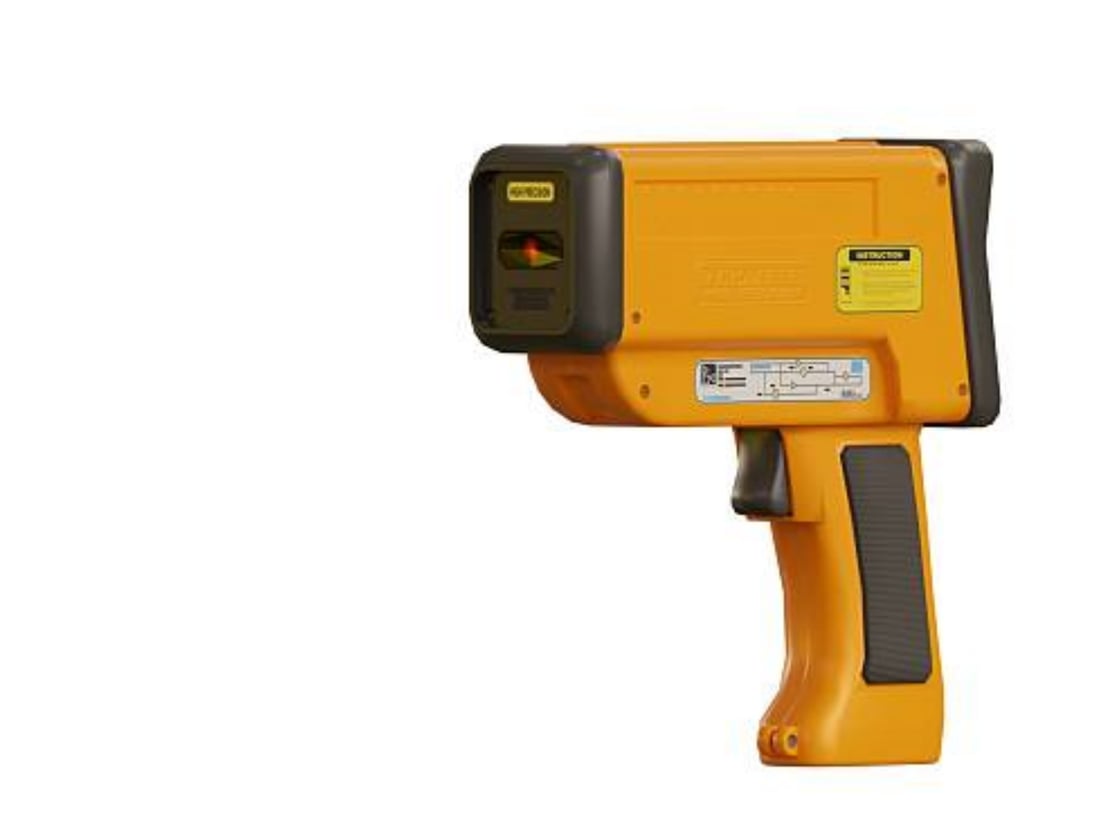
The future of Laser Doppler Vibrometer principles lies in miniaturization, integration, and real-time monitoring capabilities. Emerging trends include handheld and fiber-optic LDVs that offer portability and remote sensing. Enhanced computational power enables the extraction of comprehensive vibration data in complex environments, promoting broader adoption in predictive maintenance, robotics, and smart manufacturing systems.
Quote Inquiry
contact us