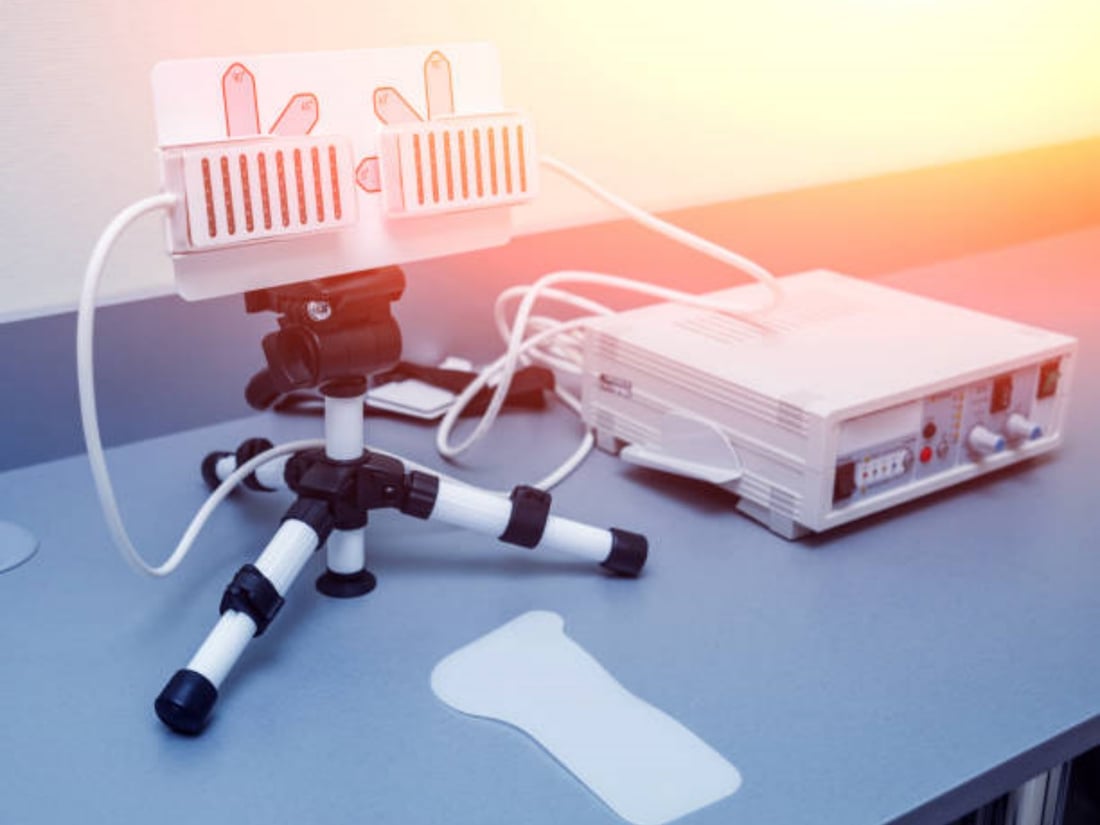
Laser Doppler sensors are advanced optical devices that measure velocity or displacement by detecting frequency shifts in reflected laser light caused by the Doppler effect. These sensors emit coherent laser beams that interact with moving surfaces or particles, and the frequency change in the backscattered light is analyzed to provide precise motion data. The technology is renowned for its non-contact, highly accurate measurements suitable for a wide range of industrial and scientific applications.
Fundamental Working Principle of Laser Doppler Sensors
The core operating principle behind laser Doppler sensors relies on the Doppler shift phenomenon, where the frequency of light waves changes relative to the motion of a target. When a laser beam is directed toward a moving object, the reflected light experiences a frequency shift proportional to the relative velocity between the sensor and the surface. This frequency shift is detected and converted into velocity information, enabling precise speed and flow measurements without physical contact.
Key Advantages Over Conventional Sensors
Laser Doppler sensors offer multiple advantages compared to traditional contact-based sensors. Their non-intrusive measurement method eliminates physical interference or wear on moving parts, ensuring longevity and minimal maintenance. Additionally, they provide high resolution and fast response times, making them ideal for dynamic environments. Their immunity to electromagnetic interference further enhances reliability in harsh industrial conditions.
Applications in Industrial Automation and Quality Control
In industrial automation, laser Doppler sensors play a critical role in monitoring conveyor belt speeds, rotating machinery, and fluid flows. They enable precise control and quality assurance by detecting irregularities or variations in speed and flow rates. Many manufacturing sectors rely on these sensors for non-contact speed measurements that directly contribute to process optimization and defect reduction.
Role in Biomedical and Medical Research
Laser Doppler sensors have significant utility in biomedical fields, particularly in monitoring blood flow and microcirculation. Their ability to detect minute changes in tissue movement and blood velocity is essential for diagnostic devices and research focused on cardiovascular health, wound healing, and peripheral vascular diseases. These sensors offer non-invasive methods to gather critical physiological data safely.
Contribution to Environmental and Fluid Dynamics Studies
Environmental scientists use laser Doppler sensors to study fluid dynamics, such as river and ocean current velocities or airflow patterns. These sensors enable real-time, precise measurement of natural flows without disturbing the environment. The high sensitivity of laser Doppler technology helps researchers better understand complex fluid behaviors, contributing to climate models and pollution tracking.
Integration with Robotics and Automated Systems
Robotics increasingly depend on laser Doppler sensors for precise motion control and navigation. These sensors provide feedback on velocity and movement critical to path planning, obstacle avoidance, and precision tasks. The non-contact nature allows seamless integration without adding mechanical load, which is vital for robotic arms, drones, and autonomous vehicles.
Technological Advancements Enhancing Sensor Performance
Recent advancements in laser Doppler sensor technology have improved measurement accuracy, miniaturization, and signal processing algorithms. Innovations such as fiber optic coupling, digital signal enhancement, and multi-axis sensing have broadened the applicability and robustness of these devices. These improvements are driving expansion in sectors ranging from aerospace engineering to consumer electronics.
Challenges and Limitations to Consider
Despite their advantages, laser Doppler sensors face limitations such as sensitivity to surface reflectivity and environmental conditions like dust, fog, or vibrations that can distort measurements. Additionally, cost and complexity may restrict their use in low-budget applications. Understanding these challenges is essential to selecting the right sensor system and designing compensatory solutions.
Future Trends and Emerging Uses of Laser Doppler Sensors
The future of laser Doppler sensors lies in enhanced integration with IoT platforms and AI-driven analytics, enabling smarter and more adaptive measurement systems. Emerging applications include real-time health monitoring wearables, precision agriculture, and augmented reality environments. As technology advances, laser Doppler sensors are set to become more accessible, versatile, and indispensable in both established and novel fields.
Quote Inquiry
contact us