Introduction to Single Point Laser Vibrometers
Single point laser vibrometers are advanced optical instruments designed to measure vibration velocity and displacement at a precise location on a target surface. Their capability for micro measurement enables detailed analysis of minute vibrational behaviors, crucial for research and industrial applications where accurate and non-contact measurement is essential.
Fundamental Working Principle
These laser vibrometers operate on the Doppler effect, measuring frequency shifts in laser light reflected from vibrating surfaces. This non-invasive technique provides high-resolution data on vibration amplitude and frequency without physically touching the object, making it ideal for delicate or small-scale measurements in micro-engineering and material science.
Applications in Microelectromechanical Systems (MEMS)
Single point laser vibrometers for micro measurement play a pivotal role in characterizing MEMS devices. Their ability to capture tiny oscillations and mechanical resonances supports quality control and optimization of sensors, actuators, and microscale structures, ensuring functionality and reliability in cutting-edge microtechnology.
Enhancing Precision in Material Testing
Material scientists use single point laser vibrometers to detect micro-level differences in surface vibrations, contributing to the understanding of material properties like stiffness, damping, and fatigue. The precision offered by these instruments helps identify subtle defects or inconsistencies that could affect performance in real-world conditions.
Advantages Over Traditional Contact Methods
Unlike contact-based vibration sensors, single point laser vibrometers eliminate mass-loading effects and mechanical interference, preserving the natural vibrational characteristics of the measured object. This advantage is critical for accurate micro measurement, particularly when dealing with fragile or very small samples.
Integration with Microscopy Techniques
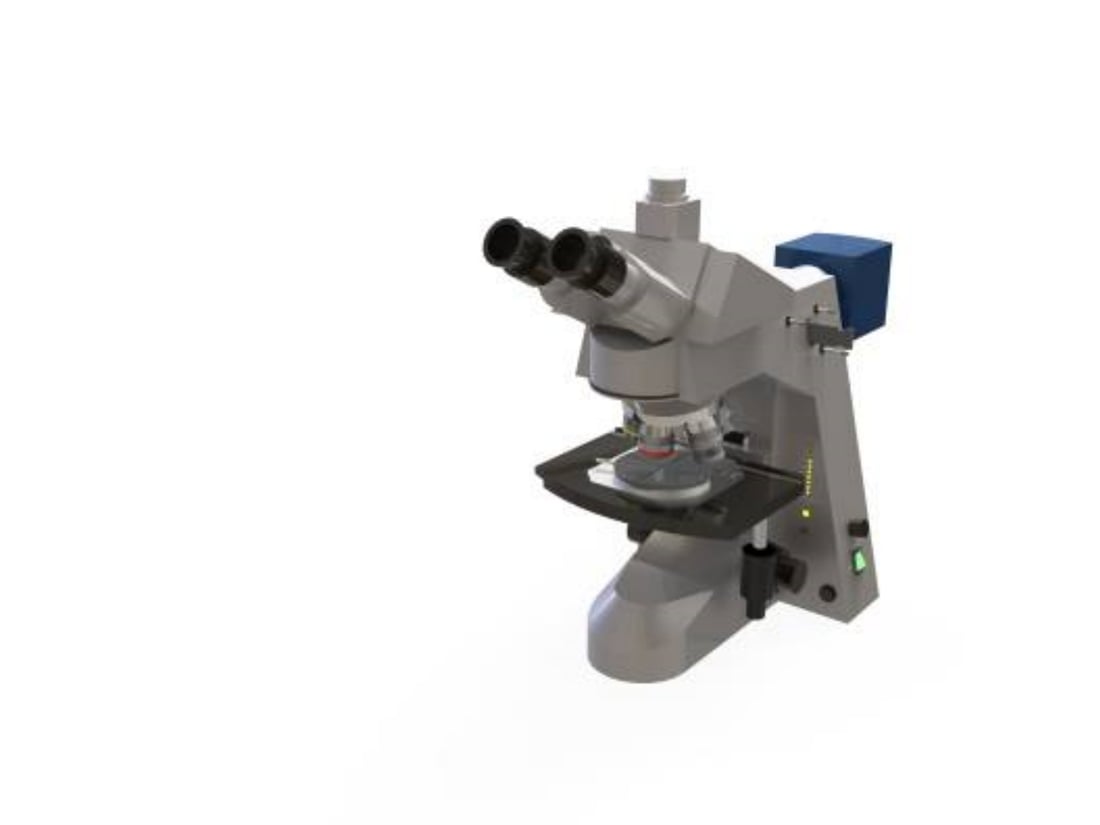
These vibrometers can be coupled with optical and electron microscopy for comprehensive microanalysis. This integration enables simultaneous spatial imaging and vibration measurement at microscopic scales, facilitating detailed studies in materials science, biology, and nanotechnology.
Role in Quality Assurance and Manufacturing
In high-precision manufacturing environments, single point laser vibrometers are used for inline quality assurance by detecting micro-vibrations that indicate assembly errors or component degradation. This helps in maintaining strict tolerances and ensuring product longevity, particularly in aerospace and semiconductor industries.
Challenges and Limitations
Despite their strengths, single point laser vibrometers face challenges such as sensitivity to surface reflectivity and environmental noise. Micro measurement demands careful calibration and sometimes supplementary signal processing to mitigate these effects and achieve reliable data.
Advancements in Laser and Signal Processing Technologies
Recent developments in laser stability, photodetector sensitivity, and digital signal processing algorithms have significantly enhanced the performance of single point laser vibrometers. These improvements extend the applicability of micro measurement to more complex and low-amplitude vibration scenarios.
Future Trends and Emerging Applications
The future of single point laser vibrometers for micro measurement includes expanding into nanotechnology, biomedical diagnostics, and microfluidics. Innovations are expected to drive miniaturization, higher data acquisition rates, and integration with AI for real-time vibration analysis and predictive maintenance at the microscale.