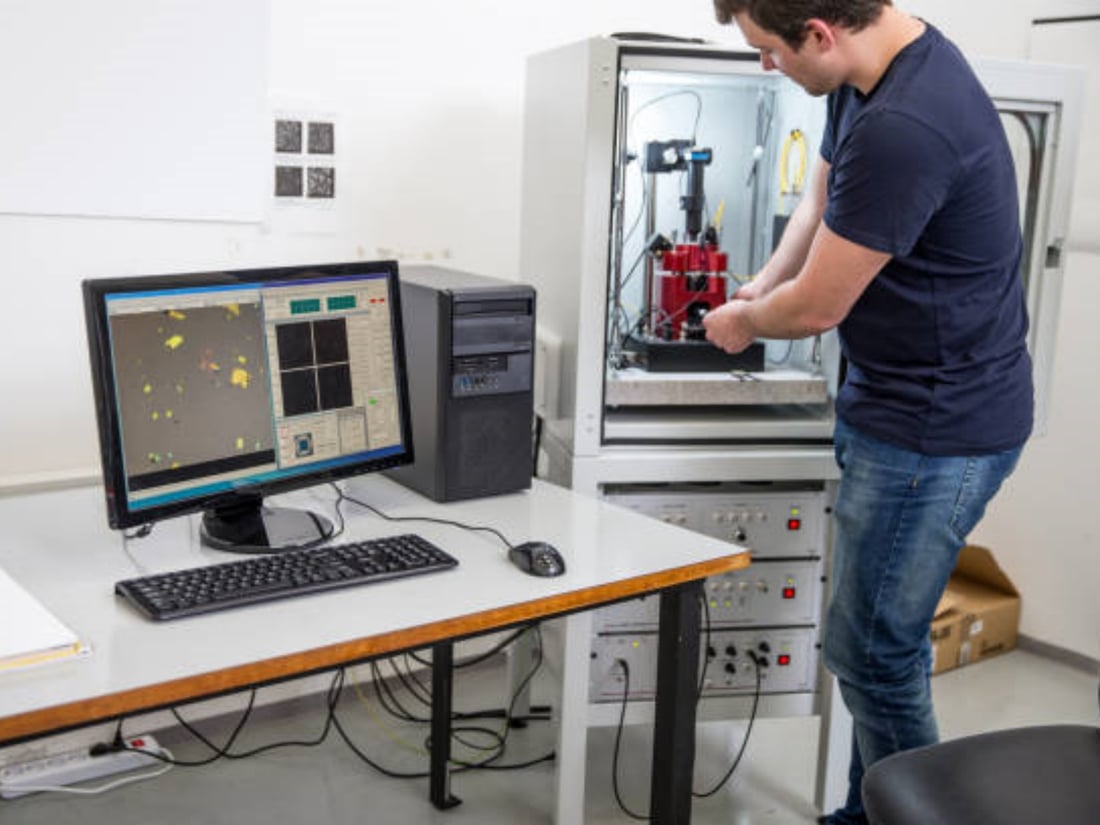
Precision vibration analysis is a sophisticated technique used to measure and interpret the vibrational patterns of machinery. By precisely capturing vibration data, this method helps detect abnormalities in equipment performance well before catastrophic failure occurs. Its high accuracy allows for pinpointing issues such as imbalance, misalignment, bearing defects, and gear mesh problems, making it an essential tool in predictive maintenance.
The Role of Sensors in Precision Vibration Analysis
The foundation of precision vibration analysis lies in advanced sensor technology. Accelerometers, velocity transducers, and displacement sensors are strategically placed on machinery to capture real-time vibrational data. The precision and sensitivity of these sensors directly impact the quality of analysis, enabling early fault detection even in complex industrial environments.
Benefits for Predictive Maintenance Strategies
Incorporating precision vibration analysis into maintenance routines significantly improves predictive maintenance. It supports condition-based monitoring, allowing maintenance teams to schedule repairs only when necessary. This approach reduces unplanned downtime, extends equipment lifecycle, and optimizes maintenance costs by preventing unnecessary interventions.
Applications Across Various Industries
Precision vibration analysis finds applications across many sectors, including manufacturing, aerospace, automotive, power generation, and oil and gas. In each industry, it addresses specific machinery reliability challenges, from turbine diagnostics to automotive engine health monitoring. Its versatility makes it a cornerstone of modern industrial maintenance.
Advanced Data Interpretation Techniques
The effectiveness of precision vibration analysis depends heavily on data interpretation. Techniques such as Fast Fourier Transform (FFT), envelope analysis, and wavelet transforms are employed to analyze frequency patterns and identify early signs of damage. Skilled analysts use these methods to differentiate between benign vibrations and those indicating true mechanical issues.
Integration with IoT and Industry 4.0
The evolution of Industry 4.0 has propelled precision vibration analysis into a digital era. Integration with IoT devices enables continuous online monitoring and instant data transmission to cloud-based platforms. This connectivity facilitates remote diagnostics, real-time alerts, and leverages machine learning algorithms to enhance predictive accuracy.
Cost Efficiency and Return on Investment
Though implementation of precision vibration analysis systems involves upfront investment, the return on investment is substantial. Reduced downtime, lower repair costs, and improved equipment efficiency translate into significant savings. Companies adopting this approach often report enhanced asset reliability and better overall operational efficiency.
Challenges and Limitations to Consider
While highly effective, precision vibration analysis has some limitations. Complex machinery with multiple vibration sources can present challenges in isolating specific faults. Additionally, skilled personnel are required to interpret data accurately, and sensor placement must be optimized to ensure reliable measurements. Understanding these constraints is vital for successful deployment.
Future Trends in Precision Vibration Analysis
Emerging trends in precision vibration analysis include artificial intelligence (AI)-powered analytics, automated fault diagnostics, and enhanced sensor miniaturization. These innovations aim to increase detection sensitivity and reduce human intervention. As technology progresses, precision vibration analysis will become increasingly integrated into fully automated maintenance ecosystems.
Ensuring Safety and Compliance through Vibration Analysis
In regulated industries, precision vibration analysis contributes to safety and regulatory compliance by ensuring machinery operates within defined vibration limits. Continuous monitoring helps prevent hazardous failures that could endanger personnel or cause environmental damage, thereby supporting regulatory adherence and improving workplace safety standards.
Quote Inquiry
contact us