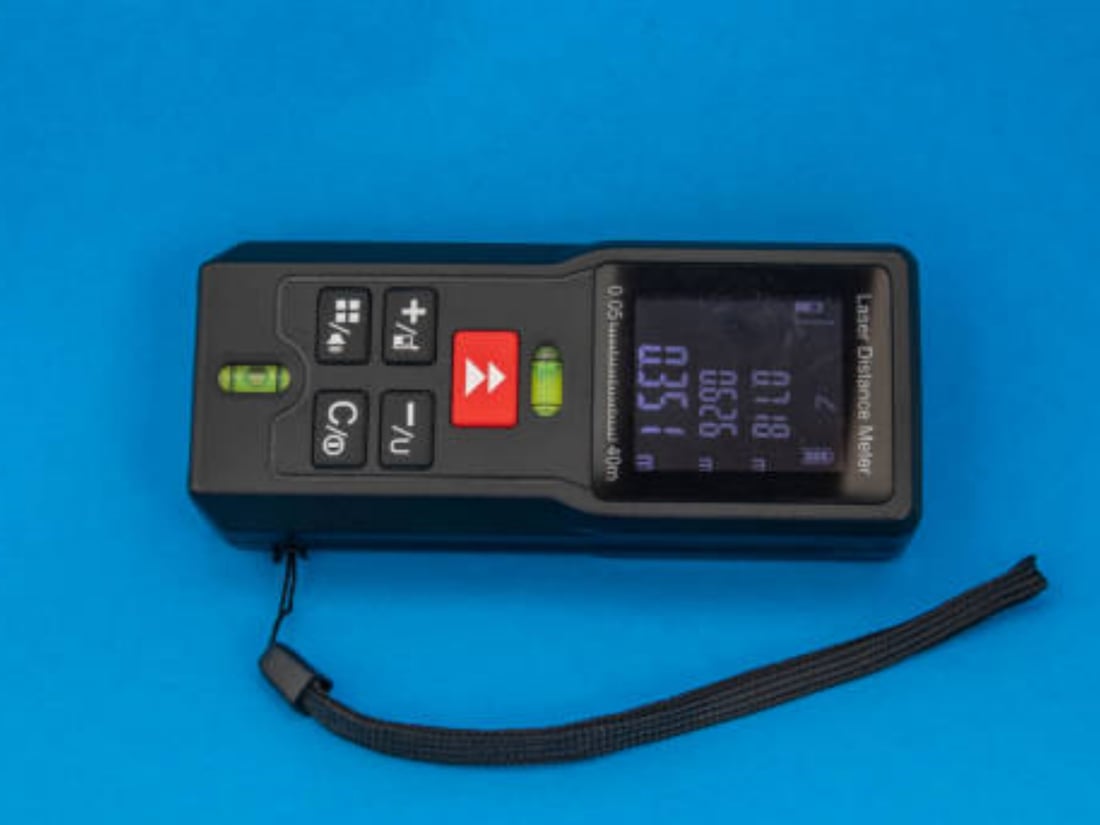
The LV-M300 vibrometer is a sophisticated laser vibration measurement instrument widely used for precise vibration analysis. Effective troubleshooting of the LV-M300 vibrometer begins with understanding its core components and operation principles. Familiarity with its laser sensor, signal processing unit, and data output system is essential. This foundational knowledge directs users to pinpoint trouble areas when performance issues arise, making troubleshooting more efficient and accurate.
Common Symptoms Indicating LV-M300 Vibrometer Malfunctions
Recognizing the typical signs of failure is the first step in LV-M300 vibrometer troubleshooting. Users often face issues such as signal loss, inconsistent readings, or complete device shutdown. Other symptoms include erratic output data, calibration drift, and poor laser alignment. Identifying these symptoms early allows for targeted diagnostic procedures, reducing downtime and maintaining measurement accuracy.
Checking Laser Alignment for Optimal Vibrometer Performance
Laser alignment is critical in LV-M300 vibrometer troubleshooting. Misalignment of the laser beam causes inaccurate vibration measurements and signal attenuation. Using proper alignment tools and following calibration protocols ensures the laser path is correctly directed to the target surface. Adjusting the laser angle and verifying the beam focus can resolve many signal quality problems, restoring the vibrometer's accuracy.
Evaluating Power Supply Issues in LV-M300 Vibrometer Troubleshooting
Power supply inconsistencies can lead to unexpected shutdowns or intermittent operation in the LV-M300 vibrometer. Troubleshooting involves inspecting the power adapter, cable integrity, and connection ports for damage or loose fittings. Testing voltage outputs with a multimeter ensures stable power delivery. Replacing faulty power components often solves operational disruptions linked to power failures.
Signal Detection and Noise Reduction Techniques
Signal interference and excessive noise complicate LV-M300 vibrometer troubleshooting processes. Sources include electromagnetic interference, ambient vibrations, and reflective surface problems. Employing shielding techniques, proper grounding, and vibration isolation helps minimize noise. Additionally, adjusting signal processing settings within the vibrometer can enhance data clarity and reliability.
Calibration Procedures Essential for Accurate LV-M300 Vibrometer Troubleshooting
Calibration is crucial to maintain the performance and accuracy of the LV-M300 vibrometer. Periodic recalibration using certified reference standards helps detect sensor drift or measurement inconsistencies. A systematic calibration approach during troubleshooting includes verifying frequency response, amplitude accuracy, and signal linearity. Proper calibration directly impacts the reliability of vibration data collected.
Firmware and Software Updates to Resolve LV-M300 Vibrometer Issues
Outdated firmware or incompatible software versions can cause functionality problems in the LV-M300 vibrometer. Troubleshooting requires checking for available updates from the manufacturer and installing them carefully. Updated firmware often includes bug fixes, improved signal processing algorithms, and enhanced device stability. Ensuring software compatibility with analysis platforms contributes to smoother operation.
Environmental Factors Affecting LV-M300 Vibrometer Functionality
Environmental conditions such as temperature extremes, humidity, and lighting can influence the performance of the LV-M300 vibrometer. Troubleshooting should account for environment-induced errors by verifying operational settings and isolating the vibrometer from detrimental factors. Proper environmental controls help maintain measurement consistency and prevent hardware damage over time.
Mechanical Inspection: Identifying Physical Damage in the LV-M300 Vibrometer
Physical damage, including loose connectors, cracked lenses, or worn components, often underlies many problems in LV-M300 vibrometer troubleshooting. A thorough mechanical inspection helps identify visible defects that impact performance. Regular maintenance checks and prompt replacement of damaged parts will extend the device’s lifespan and reduce unexpected failures.
Consulting Manufacturer Support and Documentation for Advanced Troubleshooting
When in-depth LV-M300 vibrometer troubleshooting is required, consulting manufacturer resources becomes invaluable. Technical manuals, troubleshooting guides, and customer service support provide expert insights and step-by-step instructions. Accessing official documentation ensures that users follow manufacturer-approved procedures, safeguarding the device and achieving effective resolution of complex issues.
Quote Inquiry
contact us