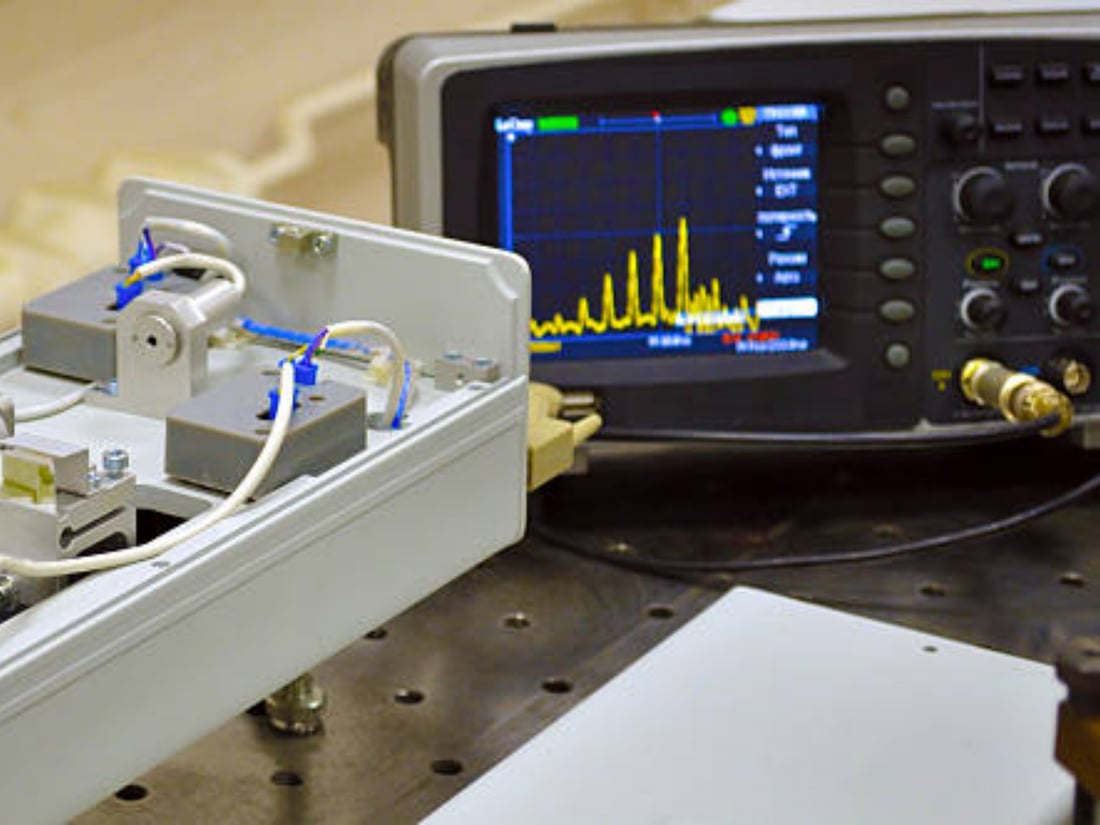
High precision vibration detection is a critical technology used across numerous industries to monitor and analyze mechanical systems. By capturing minute vibrational signals with exceptional accuracy, this technology enables early identification of faults and enhances overall equipment health management. High precision vibration detection systems employ advanced sensors and data processing algorithms to detect even the most subtle anomalies, which can be pivotal in preventing costly breakdowns and improving operational efficiency.
Key Technologies Behind High Precision Vibration Detection
At the heart of high precision vibration detection are specialized sensors such as piezoelectric accelerometers, laser Doppler vibrometers, and MEMS-based devices. These sensors provide the necessary sensitivity and frequency range to capture nuanced vibration patterns. Coupled with sophisticated signal conditioning and filtering techniques, these technologies ensure that only relevant data is processed, reducing noise and enhancing the fidelity of vibration measurements.
Applications in Predictive Maintenance
High precision vibration detection plays a fundamental role in predictive maintenance strategies. By continuously monitoring the vibrational signature of machinery, potential faults such as bearing wear, imbalance, or misalignment can be detected early. This proactive approach minimizes unplanned downtime, reduces repair costs, and optimizes maintenance schedules, making it an invaluable asset for industries like manufacturing, aerospace, and energy production.
Enhancing Structural Health Monitoring
In civil engineering and infrastructure management, high precision vibration detection is essential for structural health monitoring. Bridges, buildings, and other critical structures are subjected to constant vibrational stress. High fidelity sensors help detect cracks, material fatigue, or other structural issues by analyzing changes in vibrational patterns, thereby ensuring public safety and extending the lifespan of infrastructure.
Role in Industrial Automation and Robotics
Industrial automation benefits immensely from high precision vibration detection. Robotics systems equipped with sensitive vibration sensors can self-monitor and self-diagnose operational anomalies. This capability enhances performance reliability and prevents system failures, ultimately improving productivity and reducing downtime in highly automated manufacturing environments.
Impact on Aerospace and Defense Sector
The aerospace industry demands exceptional precision and reliability. High precision vibration detection systems are employed to monitor aircraft engines, turbines, and structural components. By identifying tiny vibrational irregularities, these systems contribute to flight safety, optimize maintenance, and comply with rigorous regulatory standards specific to aerospace and defense applications.
Advances in Data Analytics and Machine Learning Integration
The integration of data analytics and machine learning with high precision vibration detection has revolutionized fault diagnosis. Machine learning algorithms analyze complex vibration datasets to identify hidden patterns and predict future failures with high accuracy. This synergy between sensor technology and advanced analytics facilitates smarter, faster decision-making in maintenance and quality control.
Challenges in Achieving High Precision Vibration Detection
Despite its benefits, implementing high precision vibration detection faces challenges such as sensor calibration, environmental noise interference, and data management complexity. Achieving optimum sensor placement and maintaining calibration over time are critical to preserving measurement accuracy. Additionally, separating relevant signals from background noise requires advanced filtering and signal processing techniques.
Future Trends and Innovations
Emerging developments in materials science, sensor miniaturization, and wireless communication are expected to drive the future of high precision vibration detection. Innovations such as nanotechnology-enhanced sensors and IoT-enabled wireless sensor networks will expand monitoring capabilities, enabling real-time, distributed detection systems that are more flexible, scalable, and cost-effective.
Environmental and Economic Benefits
High precision vibration detection contributes to sustainability by preventing equipment failures that could lead to environmental hazards, such as leaks or emissions. Economically, the reduction in unscheduled downtime and maintenance costs translates into substantial savings. By optimizing asset lifespan and operational efficiency, high precision vibration detection supports greener, more responsible industrial practices.
Conclusion: The Strategic Importance of High Precision Vibration Detection
High precision vibration detection is an indispensable tool in modern monitoring, diagnostics, and maintenance across diverse sectors. Its ability to provide detailed insights into mechanical and structural conditions enables safer, more efficient operations. As technology continues to evolve, high precision vibration detection will remain a cornerstone of proactive asset management and innovation in engineering and industry.
Quote Inquiry
contact us