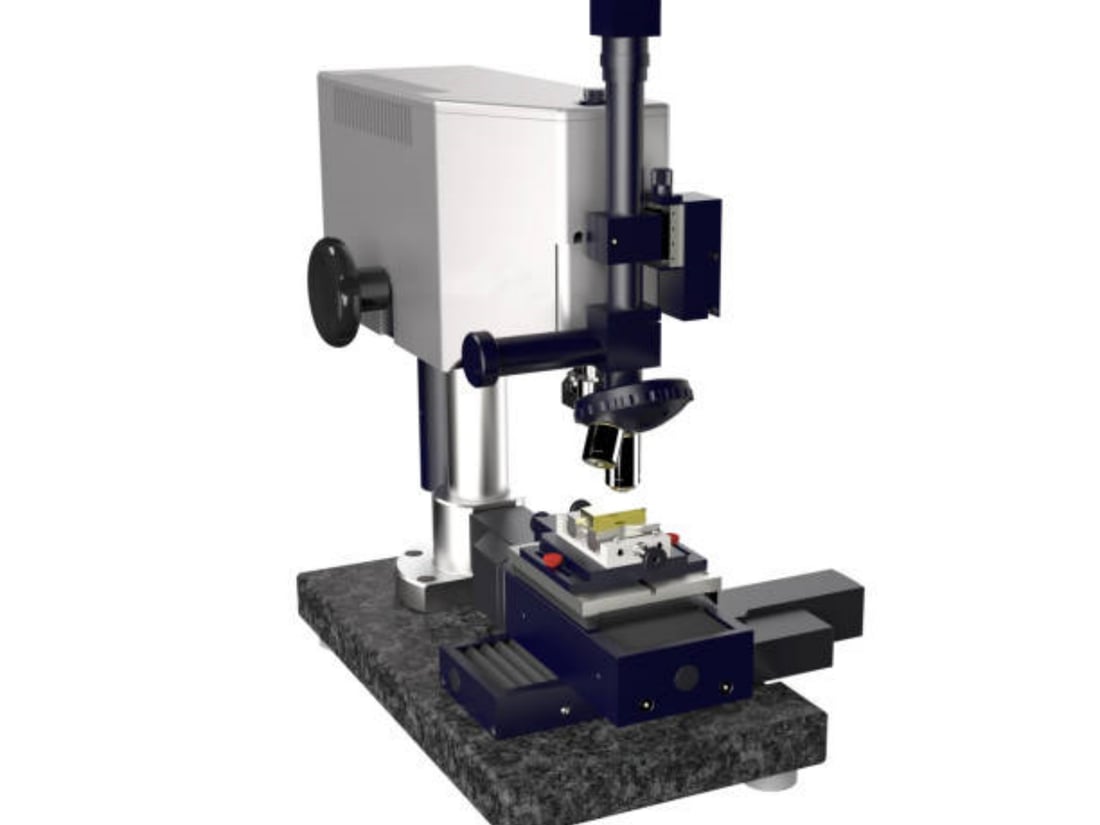
Micro-vibration measurement refers to the precise detection and analysis of extremely small amplitude vibrations that occur in various mechanical, electronic, and structural systems. This technique enables engineers and scientists to identify subtle disturbances that could influence the performance, reliability, and longevity of sensitive equipment or processes.
Importance in Modern Engineering
In modern engineering, micro-vibration measurement plays a crucial role in assessing the operational stability of high-precision machinery. Detecting minute vibrations helps in early fault diagnosis, ensuring that components like turbines, motors, and precision instruments function within safe vibration thresholds to prevent unexpected failures.
Technologies Utilized for Micro-Vibration Measurement
Various advanced technologies support micro-vibration measurement, including laser Doppler vibrometers, piezoelectric accelerometers, and optical interferometry systems. These devices provide high sensitivity and accuracy, allowing for real-time monitoring of vibration amplitudes often in the nanometer or sub-nanometer range.
Applications in Aerospace Industry
The aerospace sector heavily depends on micro-vibration measurement to maintain the structural integrity of satellites, spacecraft, and aircraft. Even the slightest micro-vibrations can affect instrument calibration and data accuracy, making vibration control and measurement indispensable for mission success and safety.
Role in Semiconductor Manufacturing
During semiconductor wafer fabrication, micro-vibration measurement is critical to maintain the ultra-high precision required in photolithography and etching processes. Vibrations as minute as a few nanometers can lead to defects and yield loss, underscoring the necessity of vibration isolation and monitoring in cleanroom environments.
Impact on Optical Systems and Microscopy
High-resolution optical systems and microscopes are extremely sensitive to micro-vibrations. Measuring and controlling these vibrations ensures superior image clarity and resolution by preventing motion blur, which is especially important in applications like biological imaging and nanostructure analysis.
Micro-Vibration Measurement in Civil Engineering
Civil engineering benefits from micro-vibration measurement by evaluating the effects of ambient vibrations on bridges, dams, and sensitive infrastructure. Continuous monitoring helps in early detection of structural weaknesses, allowing for preventive maintenance and enhancing safety for the public.
Challenges in Micro-Vibration Measurement
One of the key challenges in micro-vibration measurement is isolating the targeted signal from environmental noise and other external disturbances. Achieving this requires sophisticated filtering techniques, proper sensor placement, and sometimes controlled environments to improve measurement accuracy.
Data Analysis and Interpretation
The data collected through micro-vibration measurement often involves complex time-domain and frequency-domain analysis. Advanced algorithms and software tools process this data to identify vibration sources, patterns, and anomalies, facilitating informed decision-making in maintenance and design optimization.
Future Trends and Innovations
Emerging trends in micro-vibration measurement include integration with IoT-based sensor networks and AI-driven predictive analytics. These advancements aim to enhance real-time monitoring capabilities, predictive maintenance, and automated fault detection, further improving system reliability and reducing downtime.
Quote Inquiry
contact us