Laser vibration measurement systems represent a leap forward in precision vibration analysis techniques. Utilizing laser technology, these systems enable non-contact monitoring of vibrations with exceptional accuracy. This method overcomes limitations inherent in traditional contact sensors, particularly in environments where physical contact is impractical or may influence the structure’s behavior.
Principle of Operation
The core operating principle of a laser vibration measurement system relies on the Doppler effect or interferometry. A laser beam is directed to the vibrating surface, and the reflected light experiences frequency shifts corresponding to the surface velocity or displacement. These optical signals are then converted into measurable vibration data providing real-time analysis.
Advantages Over Conventional Methods
Compared to accelerometers and strain gauges, laser vibration measurement systems offer superior advantages, including non-intrusive measurement, high sensitivity, and immunity to electromagnetic interference. This enhances reliability in harsh environments and allows for remote monitoring on moving or high-temperature components.
Applications in Industrial Settings
Industries such as aerospace, automotive, manufacturing, and power generation extensively use laser vibration measurement systems. These systems help detect faults, monitor machinery health, and facilitate predictive maintenance, thereby minimizing downtime and avoiding costly failures.
Use in Structural Health Monitoring
Structural health monitoring employs laser vibration measurement systems to assess the integrity of bridges, buildings, and other civil infrastructure. The non-contact nature permits continuous monitoring of dynamic responses without altering structural behavior or requiring shutdowns.
Role in Research and Development
In R&D environments, laser vibration measurement systems enable detailed modal analysis and vibration characterization of prototypes and materials. The high spatial resolution supports the development of quieter, more reliable products by identifying vibration sources early in the design phase.
Technical Components and Configuration
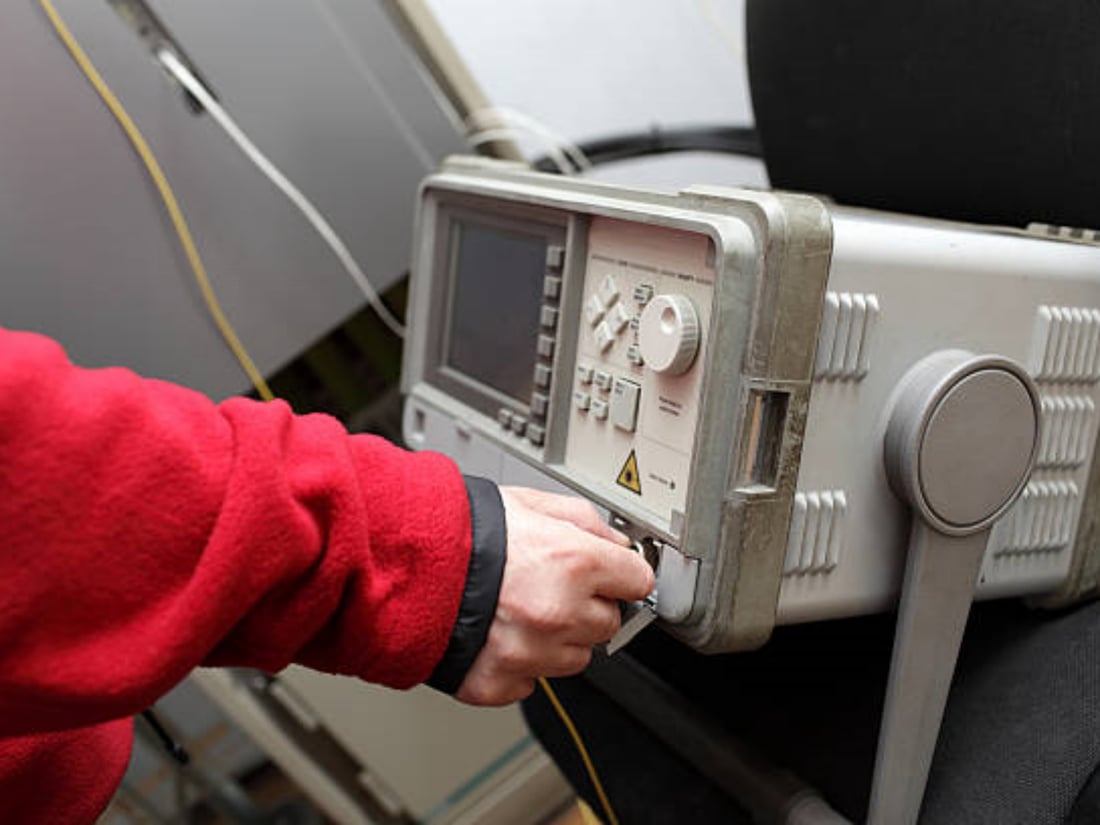
A typical laser vibration measurement system includes a laser source, beam delivery optics, photodetectors, and signal processing units. Varying configurations such as single-point and scanning laser vibrometers are employed depending on the complexity and dimensionality of the vibrational analysis required.
Challenges and Limitations
Despite its advantages, laser vibration measurement systems can be sensitive to environmental factors like dust, ambient light, and surface roughness. Proper alignment and calibration are critical for ensuring measurement accuracy. Additionally, cost and technical expertise may limit widespread adoption in certain sectors.
Emerging Trends and Innovations
Recent advancements focus on integrating laser vibration measurement systems with wireless data transmission, machine learning algorithms for automated fault detection, and miniaturized portable devices. Such innovations are expanding the usability and accessibility of laser-based vibration diagnostics.
Future Prospects and Industry Impact
As industries continue to prioritize predictive maintenance and smart monitoring, laser vibration measurement systems are expected to play a pivotal role. Enhanced accuracy, combined with real-time data analytics, will contribute to more efficient asset management and operational safety across multiple sectors.
Quote Inquiry
contact us